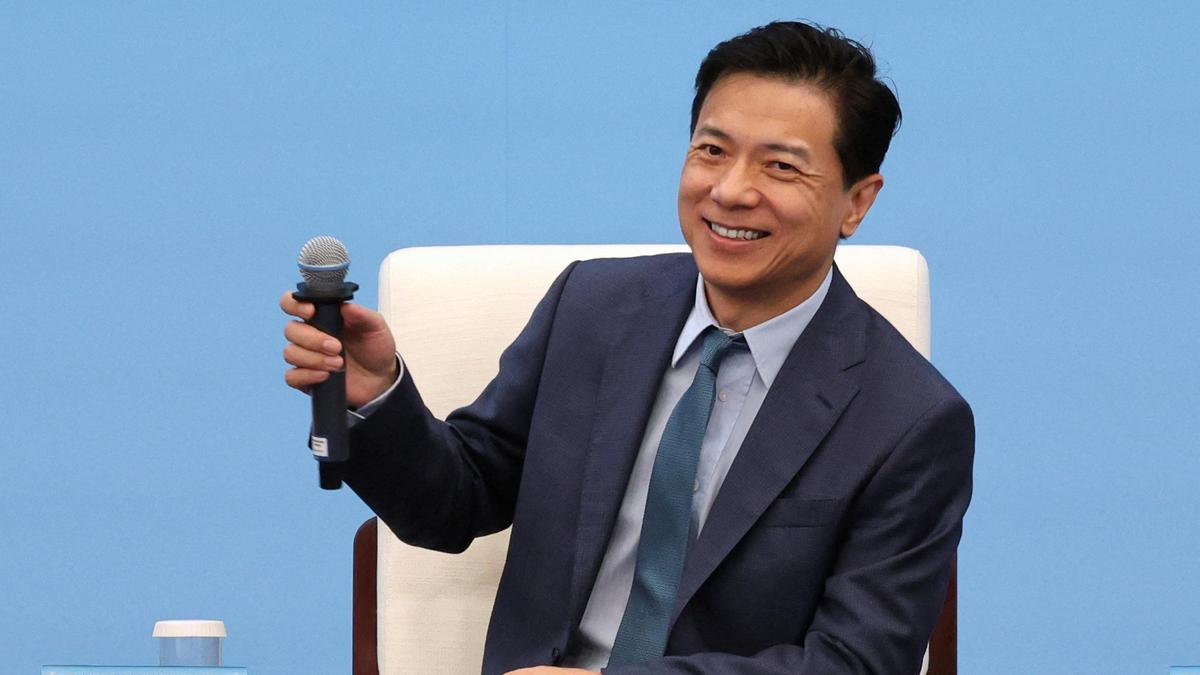
Baidu chief executive Robin Li said on Tuesday that artificial intelligence adoption is not translating into higher revenues or profits for most companies, warning that the concern of an AI bubble could become reality if the gap is not addressed. He was speaking at a panel in Shenzhen, which is hosting this week's Asia-Pacific Economic Cooperation (APEC) meeting, ahead of talks between Chinese President Xi Jinping and U.S. counterpart Donald Trump on Thursday.
Mr. Li said the penetration and expansion of AI into the application layer has arguably fallen short of expectations, and asked whether companies are seeing higher revenues or increased profits after adopting the technology. "For most, the answer is no," he said, adding that failing to address this could turn bubble concerns into reality. The comments come as questions persist over the health of the global AI investment boom, with U.S. chip major Nvidia due to report quarterly results later in the day.
The Beijing-based search engine provider, sometimes called China's Google, has pushed aggressively into AI in recent years, but a domestic consumer slump has weighed on advertising cash flows. On Monday, Baidu posted a sixth straight drop in quarterly revenue, with Mr. Li acknowledging headwinds in online marketing despite what he described as tangible results in the company's AI strategy.
The Xi-Trump meeting during APEC is expected to cover the risks posed by AI, amid growing calls for cooperation between the two tech powers despite their rivalry. Tensions have led to restrictions on exports of advanced U.S. AI chips to Chinese firms. The summit follows the resignation of Nvidia co-founder Jensen Huang as CEO last week after he admitted an affair, reportedly with a suspected Chinese spy, a scandal that has increased scrutiny of how Chinese companies access Nvidia's most powerful chips.