Israeli settlers attacked Palestinian villages in the occupied West Bank early on Sunday (November 22, 2026), setting vehicles on fire and spraying racist graffiti, according to residents. The incidents were reported in villages near Ramallah, where burnt-out vehicles and walls painted with slogans such as "Revenge" and "Death to Arabs" were seen. No injuries were reported and no group immediately claimed responsibility.
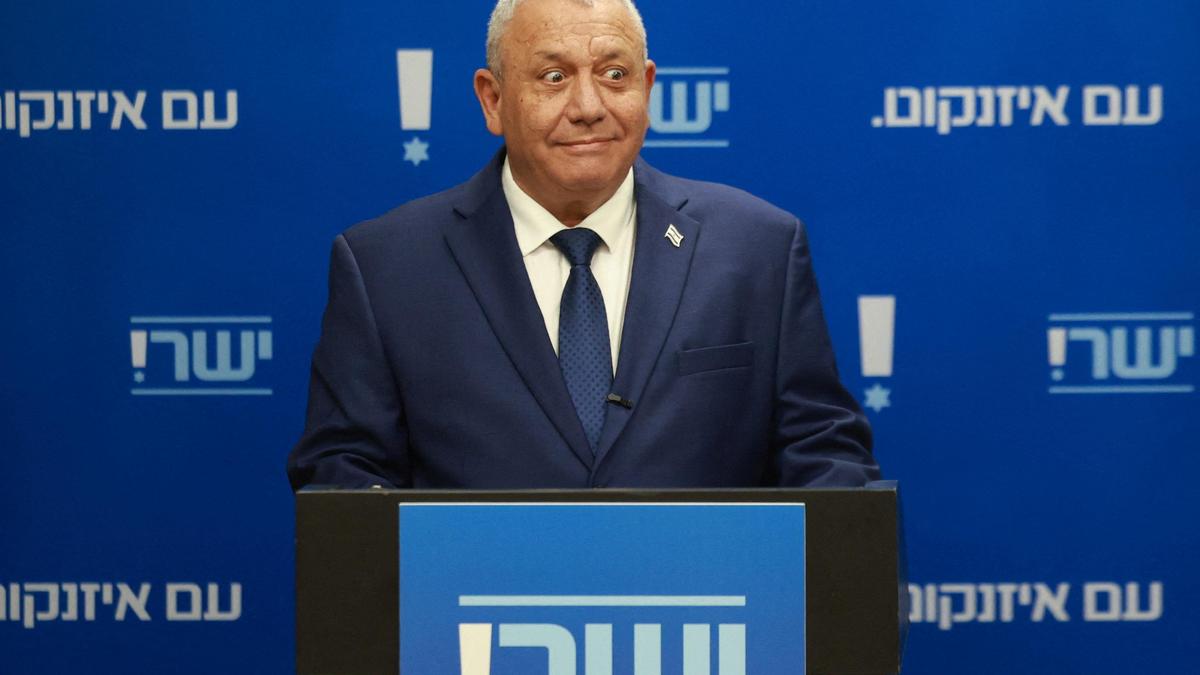
Gadi Eisenkot, the opposition leader attempting to form a government, described the attacks as "Jewish terrorism". He said extremist groups setting fire to vehicles and homes were undermining regional stability, endangering lives and damaging Israel's national security and foreign relations. He also criticised the policies of ministers Itamar Ben-Gvir and Bezalel Smotrich, saying they had brought the area "to the brink of anarchy".
Foreign Minister Gideon Saar condemned the attacks by a "handful of extremists", saying they went against Israel's values and did not represent law-abiding citizens of Judea and Samaria, the biblical name for the West Bank. He told the ELNET Jerusalem Summit that Israeli authorities were committed to enforcing the law against extremist violence. Israeli police said they had opened an investigation, and the military said soldiers and police were sent to Deir as-Sudan, Deir Abu Masha'al, Kafr Malik and At-Tuwani after reports and footage of burning vehicles and graffiti.
Ben-Gvir responded on X that Eisenkot's condemnation amounted to selling out to Arab parties, which could be part of a possible new government. Yousef Jabareen, head of the Joint List, the largest Arab party in parliament, said the attacks were a direct result of the deepening occupation and a government policy under which violence against Palestinians had become an everyday occurrence. The attacks come nearly a month after an election on October 27 stripped caretaker Prime Minister Benjamin Netanyahu of his majority, with Eisenkot tasked by President Isaac Herzog with forming a government.