Garment manufacturers in Bangladesh could propose an increase of around 15% in the minimum monthly wage at talks with authorities on Monday (September 23, 2026), industry leaders said. The offer would fall far short of workers' demand to more than double their pay.
Workers are seeking a minimum monthly wage of 30,000 taka, up from 12,500 taka, citing soaring food, housing and transport costs. Industry leaders, who spoke on condition of anonymity due to the sensitivity of the issue, said an increase of more than 15% would be unsustainable as the sector grapples with rising costs and weak global demand. "Even then, many small factories could struggle to cope with the increase," one industry leader said.
Unrest over wages since early November has led to shutdowns and violence in the world's second-largest garment exporter, which employs over 4 million workers and supplies major global retailers including H&M, Gap and Walmart. A survey by the Bangladesh Garment Manufacturers and Exporters Association found that disruptions over 18 days caused losses of about $428 million in 317 factories, while international buyers shifted orders worth roughly $254 million to other countries amid concerns over production disruptions.
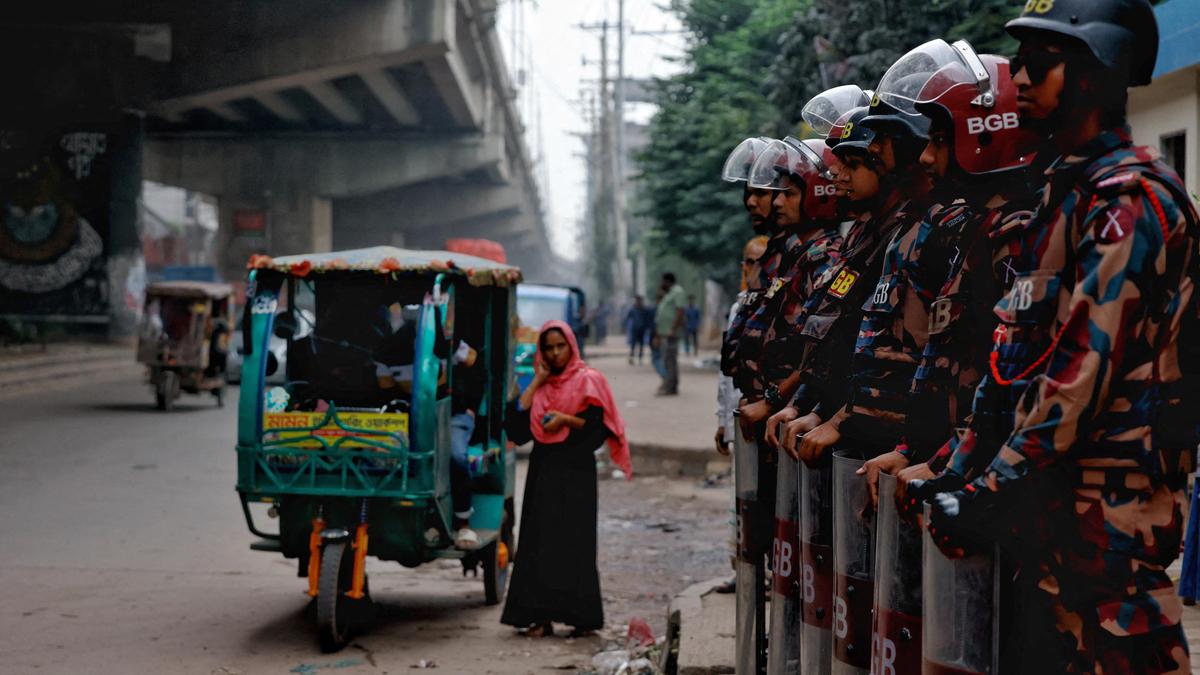
Labour unrest continued on Monday, forcing dozens of garment factories to shut down in Ashulia and Gazipur, two major apparel manufacturing hubs on the outskirts of Dhaka. There was no immediate comment from the Labour Minister or workers' representatives. The Action, Collaboration, Transformation (ACT) initiative, a global wage-bargaining initiative bringing together apparel brands and trade unions, called on November 19 for an urgent and meaningful increase in Bangladesh's minimum garment wage, citing living costs, inflation, productivity and economic conditions.